

Reminded of appt time and kept informed of arrival. Very polite and professional.
A customer on Park Lane in Pinhoe contacted A.M Electrics Devon Ltd after noticing a burning smell coming from their EV charger. The charging point had been installed for over 10 years, and they wanted us to investigate what was wrong.
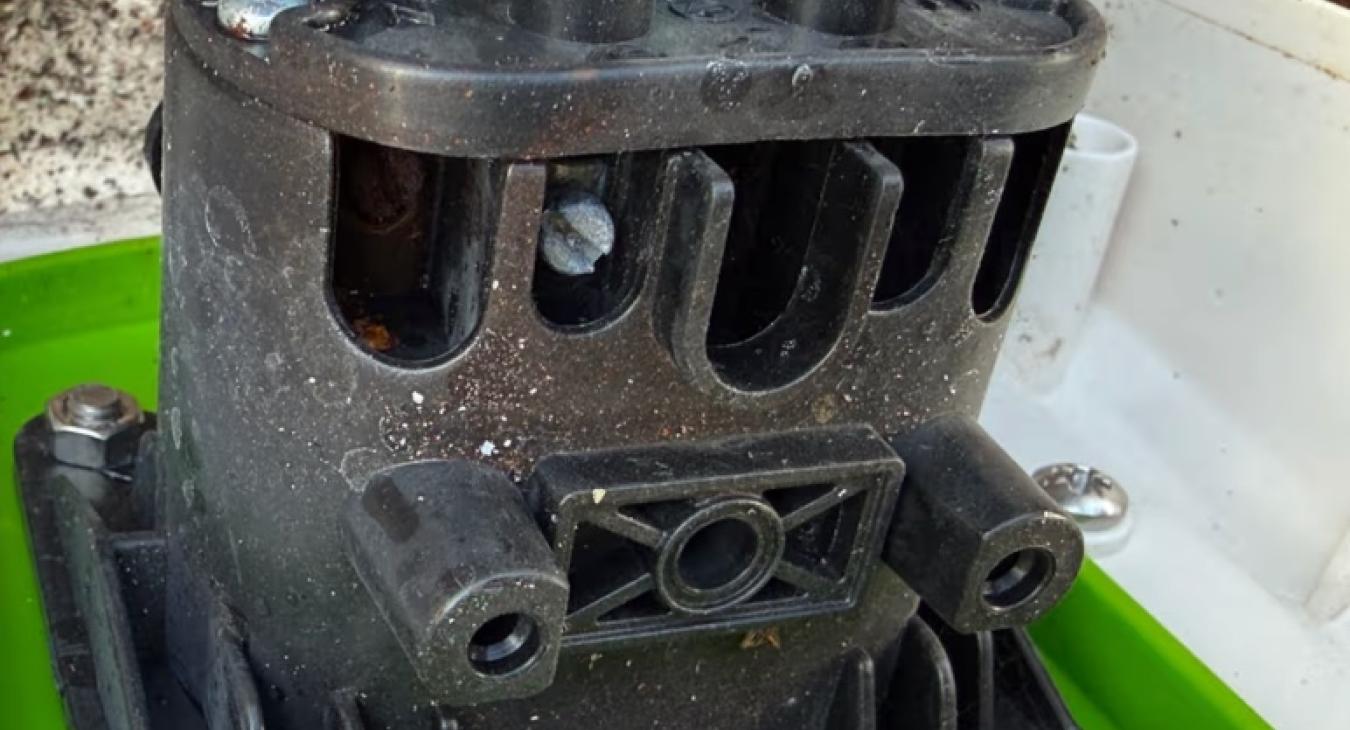
Inside, we found significant damage. An internal cable had badly melted around its connection, water had been getting into the unit, and the charging socket contacts had started to corrode.
The inspection showed why it is important to assess the complete charger when investigating a fault. Replacing the most visibly damaged component would not have resolved everything we found.
What We Found During Our EV Charger Inspection in Pinhoe
The clearest sign of overheating was at a cable connection on the charger’s protective device. The insulation had melted around the terminal, with scorching and discolouration visible on the surrounding casing.
The customer’s photographs show how concentrated the damage was around that connection. Although the burning smell had alerted them to a problem, the extent of the damage only became clear during the internal inspection.
We also examined the charging socket assembly. Here, we found corrosion affecting the metal contacts that connect with the vehicle’s charging plug.
This meant there were two areas of concern: the heat-damaged wiring and the deteriorating socket contacts. Both needed to be considered before deciding whether a repair was appropriate.
Could We Simply Replace the Wires or Change the RCD?
When a cable has melted around a connection, it is understandable to ask whether replacing the wire or changing the protective device would put things right.
That decision depends on the condition of the rest of the equipment. A repair needs to address the full fault, including any affected components and the reason the damage developed.
On this charger, replacing the burnt wiring or RCD alone would have left the damaged charging contacts unresolved. It would also have been necessary to address how moisture was entering the unit.
The socket pins had already started to rust, and continued exposure would cause further deterioration. A limited repair would therefore have dealt with only part of the problem.
Why an Older EV Charger Deserves Attention
An outdoor charging point spends years exposed to rain, temperature changes and everyday use. Its casing, seals and cable entries help protect the electrical components inside, so their condition matters.
Age alone does not mean a charger needs replacing. A well-maintained unit should be assessed on its condition, alongside the manufacturer’s guidance and the suitability of the installation.
However, a charger that has been outside for more than a decade deserves careful attention. The fact that it has worked reliably in the past does not confirm that its internal connections and components remain in good condition.
EV charging can also place a sustained demand on the equipment for several hours at a time. This makes sound connections and undamaged charging components particularly important.
Why We Recommend Yearly EV Charger Inspections
At A.M Electrics Devon Ltd, we recommend yearly EV charger inspections, taking account of the manufacturer’s instructions and how the equipment is used.
An inspection can include checking the enclosure, seals, cable entries, charging lead and socket. Internal checks can identify hidden deterioration, while appropriate electrical testing and functional checks help assess the installation and its protective arrangements.
It is an opportunity to spot developing problems and explain any work needed. Although no inspection can prevent every future fault, regular maintenance gives you more information about the condition of equipment you rely on.
Looking After the Equipment That Charges Your Car
You could be plugging a vehicle worth £30,000 to £70,000 into your charging point. Giving that equipment regular attention makes sense alongside looking after the car itself.
The vehicle’s value is only one consideration. The charger is connected to your home’s electrical installation and may be handled by you or your family every day.
A fault can also leave you unable to charge when you need the car for work, school runs or a longer journey. Identifying deterioration early gives you the chance to plan any necessary work before an unexpected failure disrupts your routine.
What to Do if Your Charger Smells of Burning
If you notice a burning smell, scorching or melted plastic around your EV charger, stop using it and arrange a professional inspection. Switch off its supply only if it is safe to do so, and do not open the casing yourself.
Do not try another charging session to see whether the smell goes away. A charging point can still appear to operate despite having damaged internal components.
Our Recommendation for This Pinhoe Customer
For this charger on Park Lane in Pinhoe, we recommended replacing the complete charging unit. After more than 10 years of service, the combination of badly melted wiring and corroded socket contacts meant that replacing a wire or protective device would not provide a satisfactory solution. Our inspection gave the customer a clear explanation of the damage and why replacement was the appropriate next step.
If you need an electrician in Pinhoe to investigate a charging fault, A.M Electrics Devon Ltd can help. We can assess your existing equipment and, where needed, discuss a suitable replacement through our EV charger installation service.
Call 01626 299105 to arrange an EV charger inspection in Pinhoe.