

Great customer service from the first interaction to the final installation.
An EV charger can become part of your daily routine so quickly that you barely think about it. You plug the car in, leave it charging and return when the battery is ready for your next journey. But when was the charger itself last inspected?
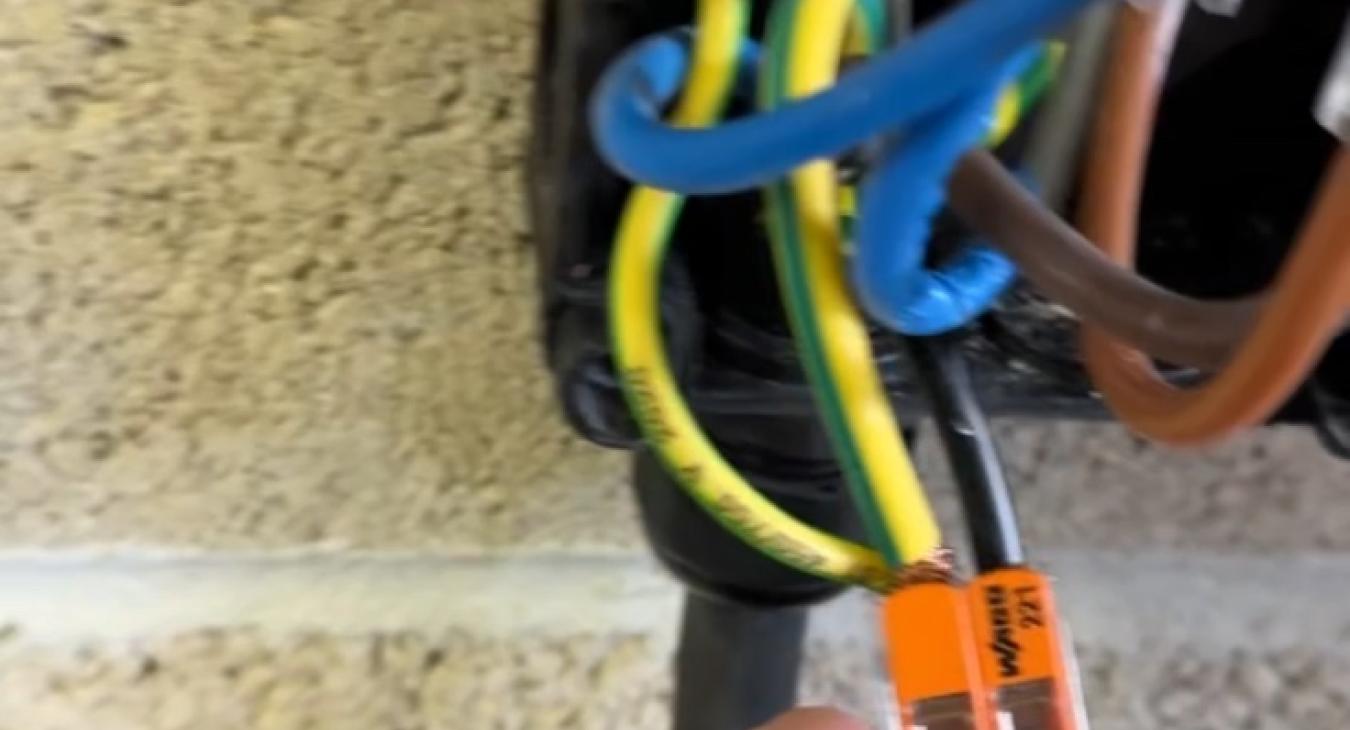
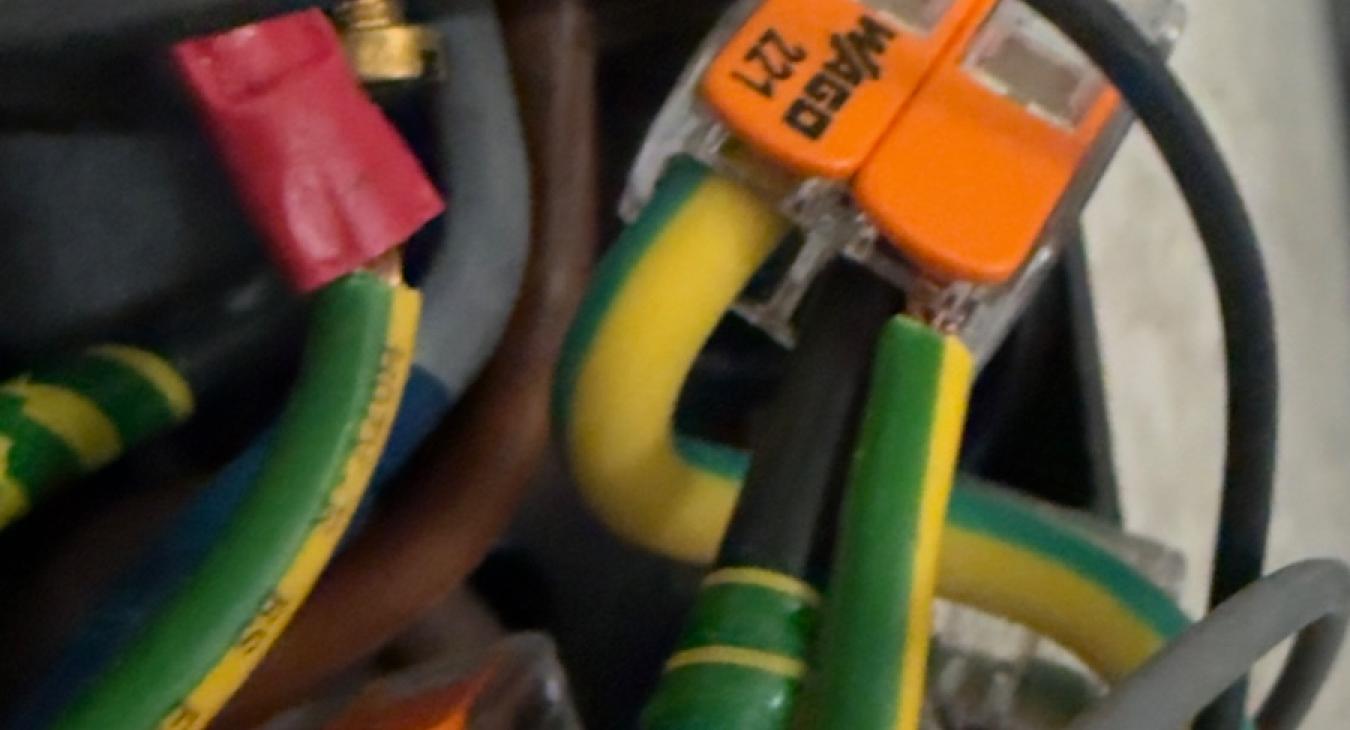
A.M Electrics Devon Ltd recently attended Queen Annes Quay on Parsonage Way in Plymouth to inspect and test five existing EV chargers located in residents’ garages. This visit forms part of a yearly inspection, giving the owners a regular record of their chargers’ condition and any maintenance needed.
Why the Chargers at Queen Annes Quay Are Inspected Yearly
An EV charger may be used frequently and supply electricity for several hours at a time. Over the years, charging cables and connectors are handled repeatedly, while electrical connections and protective equipment need to remain in good condition.
A charger that powers up and charges a car can still have an issue that is not obvious during normal use. A yearly inspection gives us the opportunity to examine the equipment, carry out electrical tests and identify anything that needs attention before the next scheduled visit.
For a development with several chargers, individual reports also make it easier for each owner to understand the condition of their own installation and arrange any recommended work.
What We Checked During the Plymouth Visit
We visually inspected each of the five chargers for damage, deterioration, signs of overheating and loose components. This included the charger enclosures, charging cables, plugs and accessible associated electrical equipment.
Although the units are installed inside garages, they can still be affected by regular use, accidental knocks and wear to cables or connectors. The visual inspection helps identify issues that owners may not notice while plugging in their cars.
We then tested the electrical supplies where accessible. The inspection covered the earthing arrangements, protective conductor continuity, polarity, earth fault loop impedance and the operation of the relevant RCD protection. The checks appropriate to each charger were considered alongside its manufacturer’s instructions.
Electrical testing matters because a charger’s ability to start a charge does not, by itself, tell us whether its protective arrangements are working correctly.
Checking That Each Charger Operated Correctly
Alongside the visual inspection and electrical testing, we checked the operation of every charger. All five units powered up, charging started and stopped as expected, and the connector locking functions worked.
There were also no signs of overheating across the five units during our visit. These were reassuring findings, but they were only part of the inspection. Looking more closely at the installations identified maintenance that was still needed.
What We Found
Three of the Ohme chargers required attention to their earth connections. We recommended replacing the existing terminals with terminals of the correct size for those connections.
The chargers were operating during our checks, but the terminal issue still needed to be recorded and addressed. This is a practical example of why we recommend inspecting chargers even when residents have not noticed a charging problem.
We recorded the recommendations in the relevant individual reports so the owners have a clear account of what was found and what work needs to be arranged. The inspection identified the maintenance requirement; it did not include carrying out that repair.
Individual Reports and Ongoing Inspections
Each charger owner received a separate inspection and testing report for their unit. These reports provide a record of the checks carried out, the results and any recommendations for further work.
Queen Annes Quay’s chargers will be inspected every year. Future visits will provide another opportunity to review their condition, check their operation and follow up on anything that has changed since the previous inspection.
Owners should still report a problem as soon as it appears. A damaged cable, unusual heat, repeated tripping or a charger that stops working as expected should be checked at the time rather than left until the next yearly inspection.
Our testing is carried out with reference to the relevant requirements of BS 7671 and the applicable manufacturer’s instructions. Where a check is limited by access or by the design of a particular charger, that can be recorded in the report.
Arrange an EV Charger Inspection in Plymouth
If you manage several EV chargers or want your own charging point inspected, A.M Electrics Devon Ltd can carry out the checks and provide a clear report of the findings. We can also explain any recommended repairs so you know what needs doing and why.
To discuss an annual EV charger inspection in Plymouth, call 01626 299105. You can also read more about our EV charger services.